
Structural Skin Tightening London, UK
XERF™ Structural Radiofrequency Skin Tightening in London, UK
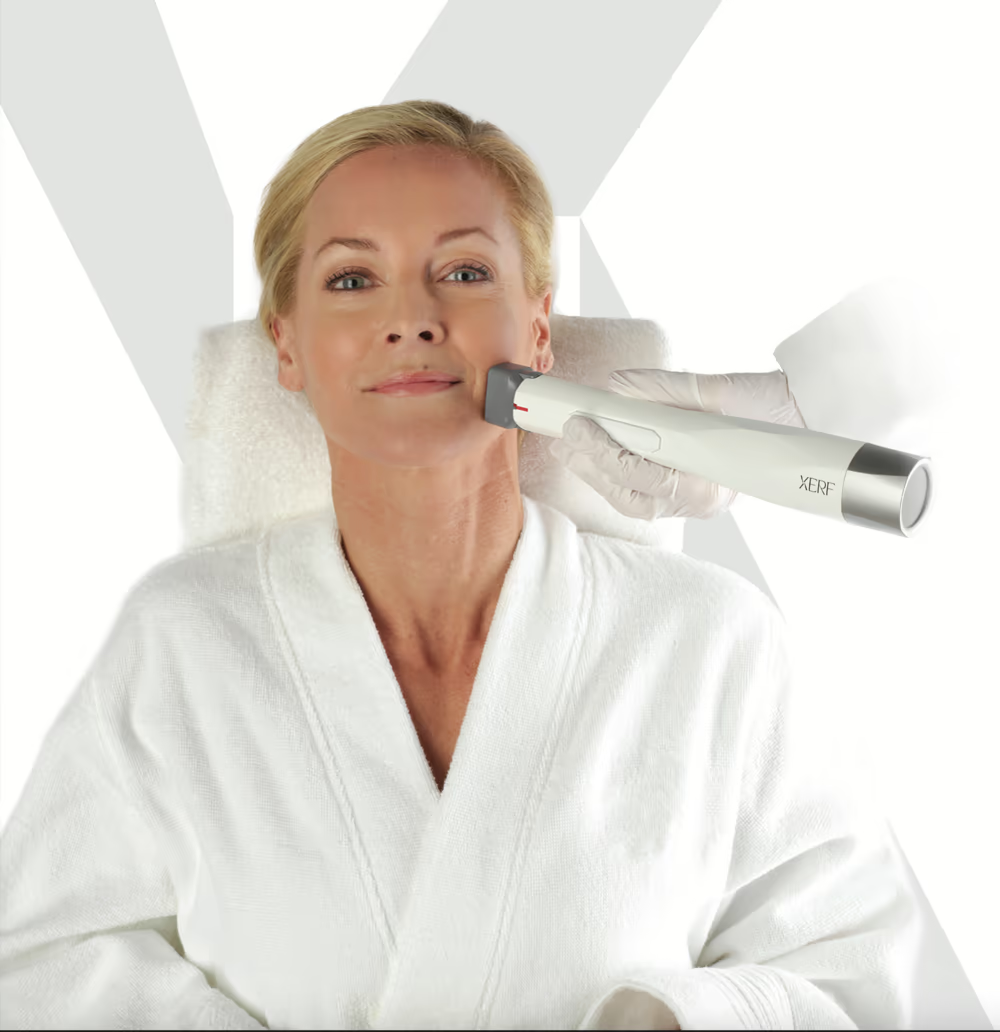
Lift, tighten and rejuvenate your skin with the latest generation radiofrequency technology — every treatment planned and performed under the direct supervision of the surgeon, Dr Vahe, MD, MS, PhD, at Dr Vahe Clinic in Chelsea.
Performed under surgeon supervision
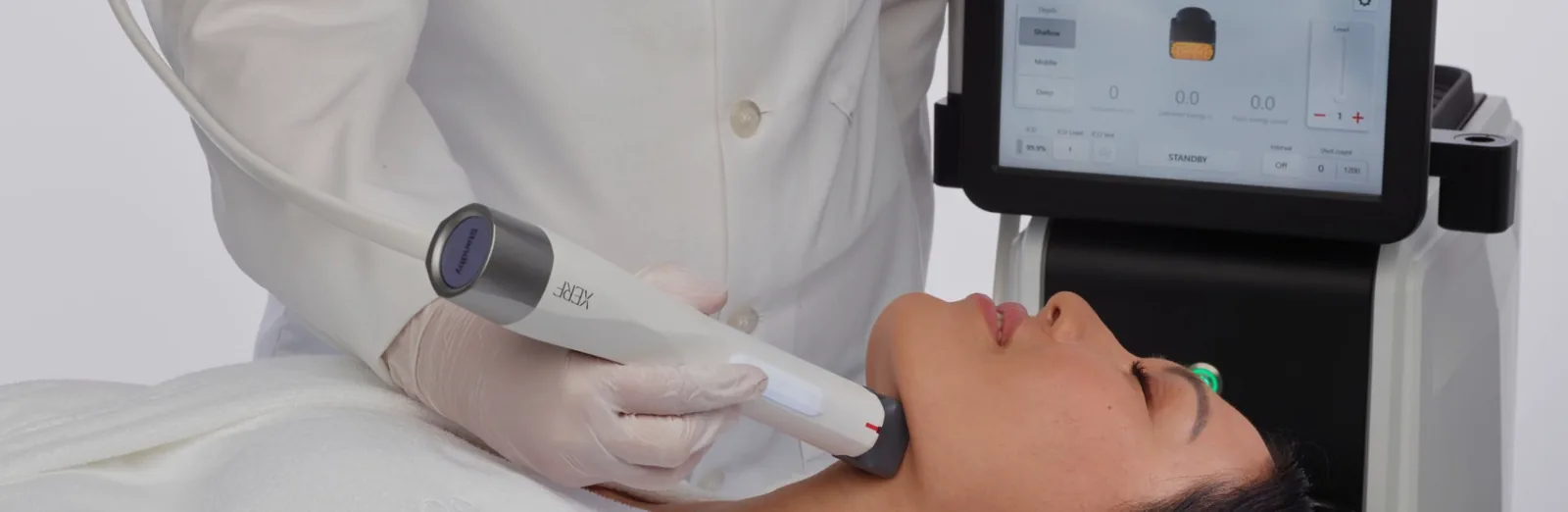
Seen at the clinic
XERF™ in practice
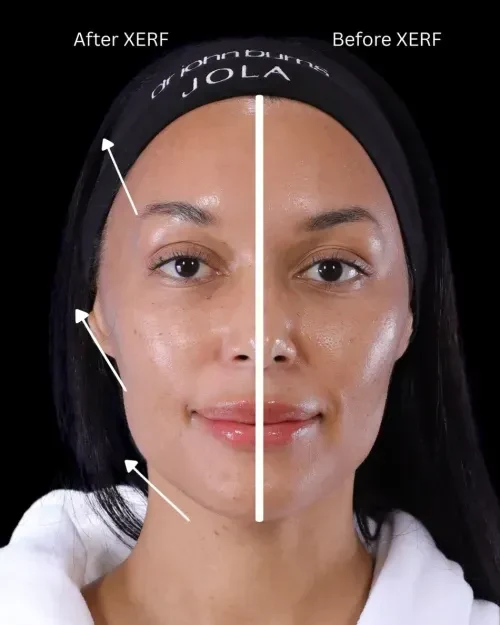
Results are individual and never guaranteed
Photographs and videos on this page show real patients treated at Dr Vahe Clinic, but they are illustrative examples only. Every face and neck ages differently, and the outcome of XERF™ Structural Skin Tightening depends on your skin quality, collagen response, anatomy, lifestyle and how closely you follow aftercare. Some patients see a noticeable change after one session; others benefit more from a course. We will be honest with you at consultation about what is realistic for your tissue and whether a different treatment would serve you better.
Medically reviewed
Written and medically reviewed by Dr Vahe, MD, MS, PhD, consultant surgeon at Dr Vahe Clinic, Chelsea, London. XERF™ Structural Skin Tightening is performed at the clinic under his supervision. Last reviewed . This page is written for patients in London and across the UK and is general information, not a substitute for an in-person medical consultation. Book a doctor consultation for advice specific to you.
Selected scientific references
- Sadick N, Rothaus KO. Aesthetic Applications of Radiofrequency Devices. Clinics in Plastic Surgery. 2016;43(3):557–565. doi:10.1016/j.cps.2016.03.014
- Beasley KL, Weiss RA. Radiofrequency in Cosmetic Dermatology. Dermatologic Clinics. 2014;32(1):79–90. doi:10.1016/j.det.2013.09.010
- El-Domyati M, El-Ammawi TS, Medhat W, et al. Radiofrequency facial rejuvenation: Evidence-based effect. Journal of the American Academy of Dermatology. 2011;64(3):524–535. doi:10.1016/j.jaad.2010.06.045
- Araújo AR, Soares VPC, Silva FS, Moreira TS. Radiofrequency for the treatment of skin laxity: mith or truth. Anais Brasileiros de Dermatologia. 2015;90(5):707–721. doi:10.1590/abd1806-4841.20153605
- Medicines and Healthcare products Regulatory Agency (MHRA). Medical devices: how to comply with the legal requirements in Great Britain, United Kingdom. gov.uk guidance
Launch Offer
Face & Neck
From £2,550
Launch pricing available for a limited time. Your full plan and price are confirmed in writing at consultation before anything is booked.
- Surgeon consultation
- OBSERV® 520x Skin Analysis
- Clinical photography
- XERF™ Face & Neck treatment
- Personalised aftercare
- 3-month review
Why patients travel to us
Considered care, delivered by a surgeon
Surgeon Led
Every treatment planned and performed under surgical supervision.
OBSERV® 520x Skin Analysis
Objective imaging before a single setting is chosen.
Latest Generation Technology
Modern radiofrequency delivery with integrated cooling.
Minimal Downtime
Designed to fit around work and social commitments.
Personalised Treatment Plans
Protocols built around your anatomy, not a template.
Chelsea, London
A discreet private clinic minutes from Knightsbridge.
The science
What is XERF™?
XERF™ is a non-surgical skin tightening treatment that uses radiofrequency energy to warm the living layers of your skin from within, and it sits within our wider non-surgical skin tightening options. Rather than removing tissue or pulling it tighter, it asks the skin to rebuild its own scaffolding. That distinction matters, because it explains both what the treatment can achieve and where its limits lie.
Radiofrequency is a form of electromagnetic energy. As it passes through the dermis it meets natural resistance, and that resistance converts the energy into heat. Because the energy is not absorbed by pigment, the treatment is not dependent on skin colour in the way that many light-based devices are. The handpiece is kept moving and the surface is cooled continuously so that the epidermis stays comfortable while the tissue beneath it reaches the therapeutic range.
Controlled dermal heating is the heart of the treatment. Collagen behaves predictably when warmed within a narrow window: the triple-helix structure of each fibre partially unwinds and the fibre shortens. This is collagen contraction, and it is responsible for the immediate sense of firmness patients often describe when they look in the mirror at the end of a session. That early effect is real but temporary — it is the opening chapter rather than the outcome.
Fibroblast stimulation is what makes the result last. Fibroblasts are the cells responsible for manufacturing collagen, elastin and the ground substance that holds the dermis together. Controlled thermal stimulation wakes these cells from a relatively quiet state and triggers a natural repair response. Over the following weeks they begin producing new structural proteins in the treated area.
Progressive collagen remodelling then unfolds over three to six months. Newly formed collagen is initially disorganised and gradually matures into stronger, better-aligned fibres. As it does so the dermis thickens, the skin regains some of its natural recoil, and contours such as the jawline and the line beneath the chin tend to look cleaner. Because the process is gradual, the change reads as a slow improvement in how you look rather than as an event.
XERF™ is best understood as a way of improving the quality and tension of your skin. It does not remove excess tissue, reposition deep structures or replace lost volume. When those are the dominant problems, we will say so, and discuss the options that genuinely address them — for example Sculptra for gradual volume and structural support, Profhilo for bio-remodelling and skin hydration, polynucleotide skin regeneration for repair of thin, crepey or under-eye skin, CO₂ laser resurfacing for texture and pigment, or Endolyft for more established jowling and submental laxity.
The clinic
Why choose Dr Vahe Clinic?
Surgeon-led treatment
Your face is assessed by a surgeon who understands the underlying anatomy, not only the device.
Personalised consultation
Unhurried time to discuss what troubles you, what is realistic and what is not worth doing.
OBSERV® 520x facial assessment
Multi-spectrum imaging that documents what the naked eye cannot reliably judge.
Evidence-based medicine
Recommendations grounded in published outcomes rather than marketing claims.
Natural-looking results
Our aesthetic is restraint — refreshed, not altered.
Combination treatment planning
Energy, regenerative and injectable options sequenced into one coherent plan.
Luxury private clinic
Calm, discreet surroundings with continuity of care from consultation to review.
Chelsea location
Easily reached from Knightsbridge, South Kensington, Belgravia and central London.
Treatment map
Areas we treat with XERF™
Face
Global firmness and skin quality across the facial envelope.
Jawline
Definition along the mandibular border and early jowling.
Neck
Laxity, crepiness and the appearance of vertical banding.
Under Chin
Submental skin tightness and profile refinement.
Cheeks
Mid-face support and softening of the nasolabial transition.
Around Eyes
Crepey eyelid skin and fine peri-orbital lines.
Forehead
Brow position and smoothness of the upper third.
Selected Body Areas
Abdomen, arms, knees and other assessed regions.
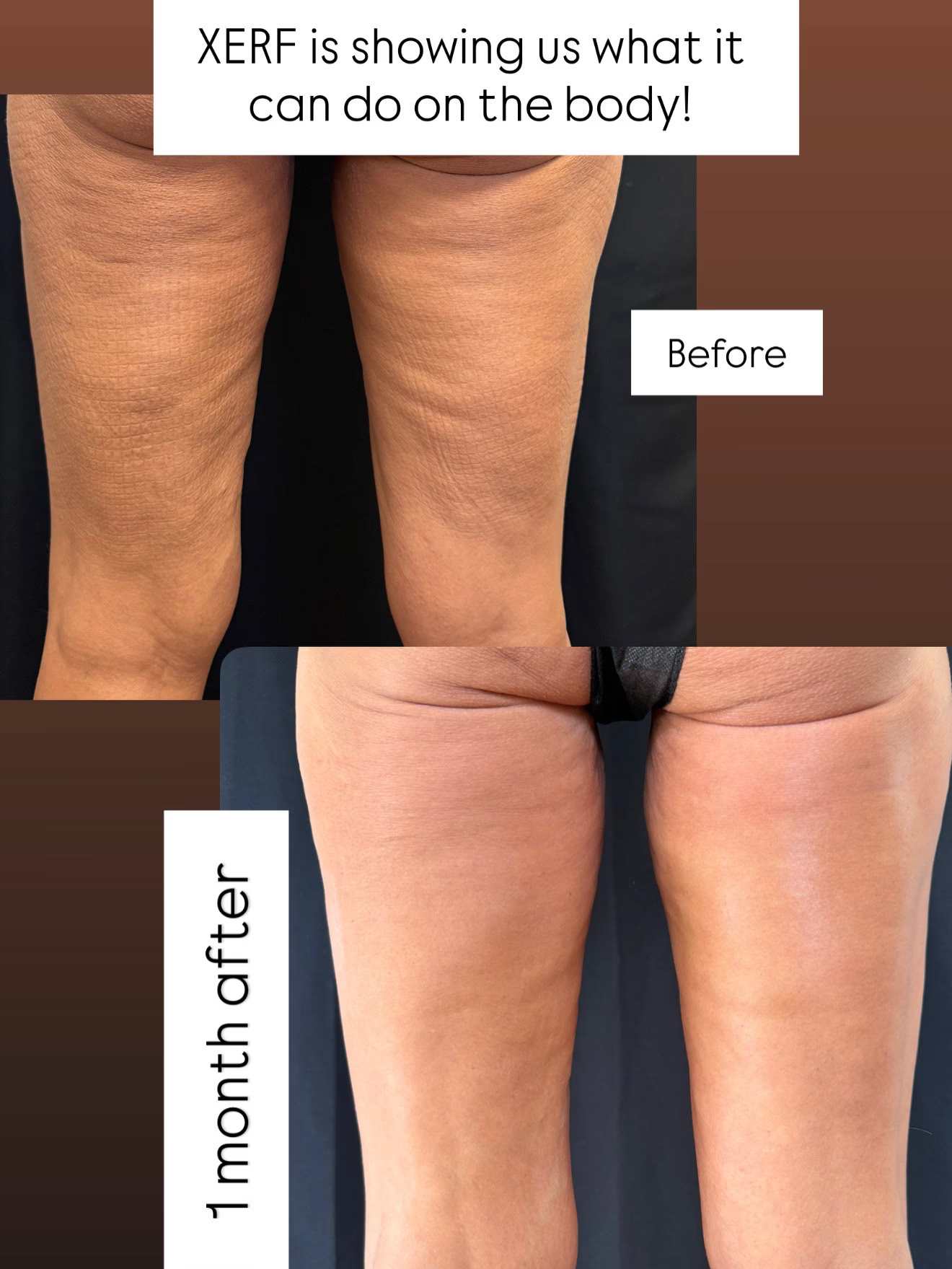
XERF™ for the body
The same controlled dermal heating can be applied to the abdomen, arms, knees and other assessed regions where skin has lost firmness. Body sessions are longer, energy is titrated to the thicker dermis of each area, and suitability is confirmed by your surgeon before anything is booked. If another approach suits your tissue better, we will point you towards the appropriate skin tightening treatment instead. Scalp and hairline concerns are assessed separately through our hair restoration clinic.
Benefits
What patients value most
Improved skin firmness
A denser, better-supported dermis that feels tighter to the touch.
Jawline definition
A cleaner mandibular line where mild jowling has begun to blur it.
Neck tightening
Smoother, more comfortable-looking skin across the anterior neck.
Collagen stimulation
Fibroblast activity that continues working long after your appointment.
Minimal downtime
No incisions, no sutures and no extended recovery period.
Natural-looking results
Change that reads as good skin rather than as a treatment.
Progressive improvement
A result that builds steadily across three to six months.
Your journey
Before and during your XERF™ treatment
Before treatment
Consultation. Every patient begins with a surgeon-led consultation. We ask what you notice in photographs, what you would like to change and how much intervention you are comfortable with, then explain candidly whether radiofrequency is the right instrument for that goal.
Medical assessment. Your history, medication, previous treatments, implanted devices and skin conditions are all reviewed. This is a medical treatment and it is screened as one.
OBSERV® 520x skin analysis. Multi-spectrum imaging records texture, pigment and vascular detail so your plan is based on measured findings rather than impressions.
Photography. Standardised clinical images are taken under fixed lighting and angles, giving you an honest reference point at your three-month review.
Treatment planning. Areas, depths, energy levels, session count and any complementary treatments are agreed and written down, along with transparent pricing.
Contraindications. If anything in your history makes treatment unsafe or unwise, we will tell you and recommend an alternative path.
During treatment
Duration. A single area such as the eyes takes around forty-five minutes; a full face and neck protocol takes up to ninety. You are settled comfortably in a private treatment room throughout.
Comfort. Anaesthetic is not usually required. The skin is cleansed and a conductive medium is applied so the handpiece glides smoothly and energy is distributed evenly.
Energy delivery. Your practitioner works in passes across each defined zone, building temperature gradually and monitoring it so the tissue reaches an effective range without overshooting.
Cooling. Integrated cooling protects the epidermis while heat accumulates below, which is what allows a therapeutic dose to be delivered comfortably.
Your experience. Most patients describe a rolling warmth, occasionally a brief hot spot that settles the moment the handpiece moves on. You are asked to score the sensation as we go, and settings are adjusted to your feedback.
Afterwards. The area is cooled and soothed, SPF is applied and your written aftercare is talked through before you leave.
Recovery
What to expect afterwards
Immediately
Warmth and light pinkness, occasionally a subtle firmness. You can leave the clinic and continue your day.
24 hours
Any redness has usually settled. Avoid saunas, steam rooms and intense exercise during this window.
1 week
Skin feels normal. Some patients notice early smoothness; regular skincare and SPF are resumed fully.
1 month
New collagen is being laid down. Firmness along the jawline and cheeks often begins to be noticeable.
3 months
Typically where the clearest change is seen. Comparison photography is reviewed at your follow-up.
6 months
Collagen remodelling matures. Your surgeon advises whether a maintenance session is worthwhile.
Suitability
Is XERF™ right for you?
Who is suitable?
- Mild skin laxity where the skin has begun to lose its snap
- Moderate laxity that does not yet warrant surgical correction
- Early jowls softening a previously defined jawline
- Neck ageing, crepiness and loss of definition under the chin
- Preventative treatment for patients in their thirties and forties
- Patients who wish to avoid, or delay, surgery
Who is not suitable?
- Pregnancy or breastfeeding
- Active infection or inflammatory skin disease in the treatment area
- Implanted electronic devices, where manufacturer guidance advises against radiofrequency
- Certain medical conditions, including some autoimmune and connective tissue disorders
- Recent procedures in the area where treating now would be clinically inappropriate
These lists are a guide only. Suitability is always determined individually during yourdoctor consultation, and there are situations in which treatment can proceed safely with modification. Where radiofrequency is not the right fit, alternatives such as Endolyft, CO₂ laser resurfacing, polynucleotides or Profhilo may be discussed.
Results
How your result develops
Immediately
A temporary impression of tightness from collagen contraction and tissue warmth.
Weeks 4–6
Early, genuine change as fibroblast activity increases and fresh collagen forms.
Months 3–6
The period in which most patients see their clearest improvement in firmness and contour.
Maintenance
An annual session is commonly recommended to work with, rather than against, ongoing ageing.
Results vary between individuals and no outcome can be guaranteed. Skin thickness, age, collagen quality, genetics, sun history and lifestyle all influence how much change is achievable. Your surgeon will give you a realistic expectation for your own skin at consultation.
Comparison
XERF™ compared with Ultherapy, Sofwave, Morpheus8 and Thermage
| Treatment | Technology | Downtime | Pain level | Treatment time | Sessions | Ideal patient | Tightening effect | Collagen stimulation | Recovery | Skin type suitability |
|---|---|---|---|---|---|---|---|---|---|---|
| XERF™ | Radiofrequency delivered through intact skin, heating a broad volume of the dermis | Minimal — pinkness for a few hours | Warm; usually well tolerated without anaesthetic | 45–90 minutes | 1–3, spaced several weeks apart | Mild to moderate laxity of the face, jawline or neck | Gradual tightening of skin that has lost its recoil | Bulk dermal heating stimulates fibroblasts across the treated zone | Same-day return to normal activity | Suitable across a wide range of Fitzpatrick skin types; energy is not absorbed by pigment |
| Ultherapy | Micro-focused ultrasound with real-time imaging of the treatment plane | Minimal — occasional swelling or tenderness | Can be sharp at deeper settings; pain relief is often used | 60–90 minutes | Usually 1, reviewed at 6 months | Patients wanting deeper-plane lifting with imaging guidance | Focused lifting at fixed depths including the SMAS layer | Discrete thermal coagulation points trigger a focal healing response | Same day, with possible tenderness for several days | Widely used; comfort is the most common limiting factor |
| Sofwave | Synchronous parallel ultrasound beams targeting the mid dermis | Minimal | Warm pulses moderated by integrated surface cooling | 30–45 minutes | Usually 1, occasionally 2 | Patients with fine lines and early laxity wanting a short appointment | Mid-dermal tightening rather than deep-plane lifting | Mid-dermal thermal zones prompt new collagen formation | Same day | Not pigment-dependent; short sessions suit busy schedules |
| Morpheus8 | Microneedles deliver radiofrequency below the skin surface | Several days of pinpoint marks, redness and mild swelling | Topical anaesthetic is normally required | 45–60 minutes | Typically 3, spaced monthly | Patients wanting resurfacing and texture change alongside tightening | Tightening combined with remodelling of the deeper dermis | Needle-delivered heat creates columns of controlled injury and repair | Around 3–5 days of visible recovery | Because the skin is breached, aftercare and infection precautions matter more |
| Thermage | Monopolar radiofrequency delivered in a single-pass protocol | Minimal | Brief heat spikes offset by vibration and cryogen cooling | 45–90 minutes | Usually 1 per year | Patients wanting an established single-session radiofrequency option | Broad, even tightening across a treated area | Volumetric heating of the dermis drives collagen contraction and renewal | Same day | Long clinical track record; one of the most widely studied RF platforms |
Each of these technologies has a legitimate role and published evidence behind it. None is superior for every patient, and comfort, session length and results all vary between individuals.
The science
What actually happens to your collagen after XERF™
Radiofrequency does not simply “tighten skin”. It sets off a measured wound-healing cascade in the dermis. Here is that biology, stage by stage, so you know what your skin is doing between your treatment and your review.
- Stage 1
Day 0 — thermal contraction
Collagen fibres partially unwind and shorten as the dermis reaches its therapeutic temperature. This produces the immediate, temporary impression of firmness.
- Stage 2
Days 1–7 — inflammatory phase
A controlled healing response begins. Circulation to the treated dermis increases and the signalling that recruits fibroblasts is switched on.
- Stage 3
Weeks 2–6 — proliferative phase
Fibroblasts lay down new type III collagen, elastin and ground substance. Early, genuine change in firmness usually becomes noticeable towards the end of this window.
- Stage 4
Months 2–4 — remodelling
Immature type III collagen is progressively replaced by stronger, better-organised type I collagen. Dermal thickness and skin recoil improve.
- Stage 5
Months 3–6 — maturation
Fibre alignment and cross-linking mature. This is the period in which most patients see their clearest improvement in jawline and neck definition.
- Stage 6
Month 12 onwards — maintenance
New collagen behaves like your own tissue and ages with it. An annual session is commonly used to work with continued ageing rather than against it.
Safety
Risks, side effects and contraindications
No medical treatment is without risk. These are the effects we discuss with every patient before consent, alongside the situations in which we would not treat you at all.
Redness and warmth
Very common and expected. The treated skin usually looks pink and feels warm for a few hours; on more sensitive skin this can last into the following day.
Swelling
Common and usually mild, particularly around the eyes, jawline and under the chin. It typically settles within twenty-four to seventy-two hours.
Tenderness
Some patients notice the treated area feels tender or bruised to the touch for a few days, especially over bony areas such as the jaw and cheekbones.
Temporary numbness or altered sensation
Occasionally the skin feels slightly numb or tingly after treatment. This is usually short-lived and resolves without intervention.
Temporary nerve irritation
Uncommon. Heat close to a superficial nerve can cause temporary weakness or an odd sensation in the area. Reported cases in the radiofrequency literature typically resolve over weeks to a few months.
Blistering or superficial burn
Rare, and the main reason energy is titrated, the handpiece is kept moving and the skin surface is cooled. If it occurs it is treated as a wound, with dressings and review until healed.
Pigment change
Uncommon. Post-inflammatory darkening or, less often, lightening of the skin can follow any heat-based treatment, and is more likely in richly pigmented skin or with sun exposure afterwards. Daily SPF 50 reduces the risk.
Small, hard or uneven areas
Rarely, small firm nodules or a temporary unevenness in contour can be felt in treated fat, most often on the body. These usually settle on their own and are reviewed at follow-up.
Less change than hoped for
Not everyone responds equally. Some patients need a further session, and for advanced laxity a surgical option may ultimately give the change you are looking for. We say so openly rather than selling additional treatments.
Every patient is medically screened by the surgeon before any energy is delivered. If you experience blistering, persistent pain, an area of numbness or any change that worries you, contact the clinic on +44 20 3370 3503 rather than waiting for your review appointment.
Combination planning
XERF™ as part of a wider plan
XERF™ + Polynucleotides
Tightening paired with regenerative hydration to improve elasticity and skin resilience, particularly around the eyes and neck.
XERF™ + Sculptra
Collagen contraction combined with gradual biostimulated volume for patients whose face has lost structural support as well as firmness.
XERF™ + Profhilo Structura
Deep dermal heating supported by bio-remodelling in the mid-face, chosen when both laxity and dryness or dullness are present.
XERF™ + CO₂ Laser
Surface resurfacing for texture, pigment and fine lines sequenced around radiofrequency tightening for a more complete rejuvenation.
XERF™ + Endolyft
For selected patients with more established jowling or submental laxity, a minimally invasive laser approach may be planned alongside radiofrequency.
Combinations are offered as personalised options where they are clinically appropriate, never as a default upsell. Sequencing and spacing are decided by your surgeon so that each treatment has room to work.
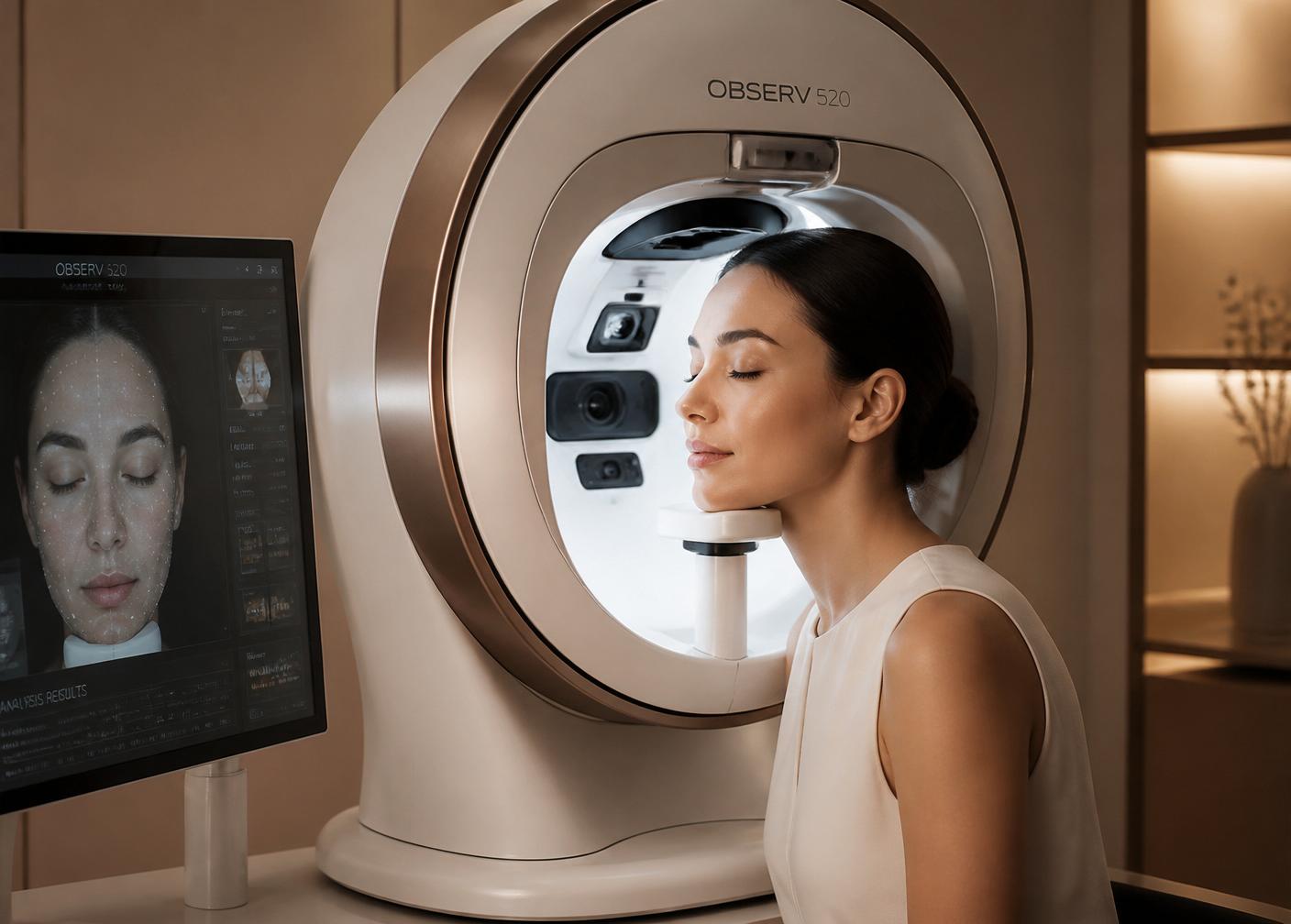
Unique to Dr Vahe Clinic
Precision Skin Analysis with OBSERV® 520x
Every XERF™ consultation at our Chelsea clinic includes advanced OBSERV® 520x skin analysis. The system photographs your skin under several controlled light modes, revealing detail that ordinary lighting hides and giving your surgeon an objective basis for planning.
Surface texture
Roughness, pore appearance and fine line distribution.
Pigmentation
Melanin patterns, including sun damage not yet visible.
Vascular changes
Redness and superficial vessels beneath the surface.
Skin quality
Hydration, oil balance and overall dermal condition.
Treatment planning
Which zones need energy, and which need something else.
Progress monitoring
Identical imaging at review so change is measured, not guessed.
Questions
XERF™ Structural Skin Tightening frequently asked questions
What is XERF™?
XERF™ is a latest-generation radiofrequency platform used to warm the deeper layers of the skin in a controlled, measured way. That warmth causes existing collagen fibres to contract and encourages the skin's fibroblast cells to lay down fresh collagen and elastin over the following months. At Dr Vahe Clinic the treatment is delivered by a surgeon, so energy settings are matched to your anatomy rather than a fixed protocol.
Does XERF™ hurt?
Most patients describe XERF™ as a deep, spreading warmth rather than pain. The handpiece is moved continuously and the surface of the skin is cooled while heat is delivered below, which keeps the sensation comfortable. Your practitioner checks in with you throughout and adjusts the energy so you stay within a warm but tolerable range.
How many XERF™ sessions will I need?
Many patients see a meaningful change from a single well-planned session, but skin laxity, age, collagen quality and the area treated all influence the outcome. A course of two to three sessions spaced several weeks apart is commonly recommended for more established laxity. Your plan is confirmed after your consultation and OBSERV® 520x skin analysis rather than being decided in advance.
How long do the results of XERF™ last?
Newly formed collagen is your own tissue, so improvements typically hold for around twelve to eighteen months. Ageing continues regardless of treatment, so most patients choose an annual maintenance session to keep the effect topped up. Sun protection, not smoking and a consistent skincare routine all extend how long your results are visible.
Can XERF™ replace a facelift?
No. A surgical facelift repositions and removes tissue and remains the most powerful option for advanced sagging. XERF™ works on skin quality and mild to moderate laxity without incisions or general anaesthetic. As a surgeon, Dr Vahe will tell you honestly at consultation whether energy-based tightening is likely to give you the change you want or whether surgery is the more appropriate route.
Can XERF™ treat the neck?
Yes. The neck and under-chin area are among the most frequently requested regions, and the Face and Neck package is designed for exactly this. Treating the lower face and neck together tends to give a more harmonious result than treating either area in isolation, because the jawline sits at the junction between the two.
Is there any downtime after XERF™?
Downtime is minimal. Expect mild pinkness and a feeling of warmth for a few hours, occasionally a little longer on more sensitive skin. Most patients return to work, meetings or social plans the same day. We suggest avoiding intense exercise, saunas and very hot baths for the first twenty-four hours.
When can I wear makeup again?
Mineral makeup can usually be applied a few hours after treatment once any redness has settled, and full makeup the following morning. We will let you know on the day based on how your skin has responded during the session.
Can XERF™ be combined with Sculptra?
It can, when clinically appropriate. XERF™ addresses skin tightness and quality while Sculptra works on gradual volume and structural support, so the two often complement one another. Timing matters — treatments are usually spaced rather than performed on the same day — and your sequence is planned individually.
Can men have XERF™?
Absolutely. Jawline definition, under-chin laxity and neck ageing are common concerns among our male patients, and settings are adapted for thicker dermis and beard-bearing skin. The natural, non-obvious nature of the result is a large part of why men choose it.
How long does a XERF™ appointment take?
Allow around forty-five minutes for eyes alone, sixty to seventy-five minutes for lower face or neck, and up to ninety minutes for a full face and neck treatment. Your first visit is longer because it includes consultation, skin analysis and clinical photography.
Is XERF™ safe?
Radiofrequency has a long clinical track record when it is delivered by trained practitioners using appropriate parameters. Safety at Dr Vahe Clinic comes from medical screening, careful energy titration, continuous handpiece movement, surface cooling and constant feedback from you. Every patient is assessed for contraindications before any energy is delivered.
How soon will I notice a difference?
There is often an immediate impression of firmness caused by collagen contraction and tissue warmth, though this initial effect softens within a few days. The genuine change appears gradually from around week four and continues to build for three to six months as new collagen matures.
Is XERF™ suitable for all skin tones?
Radiofrequency energy does not target pigment, which makes it a considered option across a wide range of Fitzpatrick skin types. Your suitability is still confirmed individually, taking into account your medical history, medication and any recent treatments.
How does XERF™ differ from HIFU?
HIFU uses focused ultrasound to create small thermal points at fixed depths, while radiofrequency heats a broader volume of tissue more evenly. Patients often find radiofrequency more comfortable, whereas ultrasound can reach deeper planes. Neither is universally better — the right choice depends on your tissue, your goals and your tolerance for discomfort.
Can I have XERF™ after filler or toxin?
Usually yes, with sensible spacing. We generally allow botulinum toxin to settle for around two weeks and hyaluronic acid filler for two to four weeks before applying heat to the area. Tell us about every treatment you have had in the previous six months so your plan can be sequenced safely.
What should I do before my appointment?
Arrive with clean skin and no makeup if possible, stay well hydrated and avoid strong retinoids or acids for two to three days beforehand. Let us know about recent sun exposure, cold sores, new medication or any change in your health since your consultation.
What aftercare is required?
Keep the skin cool and simply moisturised for the first day, use a broad-spectrum SPF 50 daily, and drink plenty of water. Avoid heat-based activities for twenty-four hours. You will receive a written aftercare plan tailored to the area treated and your skin type.
Can XERF™ help with a double chin?
XERF™ can improve the tightness and quality of the skin under the chin, which often refines the profile. It is not a fat-reduction treatment, so if excess submental fat is the dominant issue we will discuss whether a different or combined approach would serve you better.
Will XERF™ help with fine lines and skin texture?
Because the treatment stimulates fibroblasts, many patients notice smoother texture, softer fine lines and a more refined pore appearance alongside the tightening effect. For pigmentation or deeper resurfacing goals, a combination plan involving laser or injectable skin treatments is often more effective.
Is XERF™ suitable if I am planning surgery later?
Yes, and many patients use it as a way to maintain skin quality in the years before considering surgery. Being seen by a surgeon means the advice you receive accounts for the whole spectrum of options rather than only the devices in the room.
Where is your clinic and which areas do you serve?
Dr Vahe Clinic is located in Chelsea, London, UK, and regularly cares for patients travelling from Knightsbridge, South Kensington, Belgravia, Fulham, Mayfair, Notting Hill, Westminster and further afield across the UK and internationally.
How much does XERF™ cost in London, UK?
At Dr Vahe Clinic in Chelsea, London, XERF™ Structural Skin Tightening starts at £850 for the eye area, £1,050 for the neck and £950 for the lower face. The most requested Face and Neck protocol is now available from £2,550, and body treatments start from £2,800. Your consultation confirms the exact plan and price in writing before anything is booked, with no hidden extras.
How does XERF™ compare with Morpheus8?
Morpheus8 combines microneedling with radiofrequency, so it breaches the skin surface and involves needle-related downtime. XERF™ delivers radiofrequency through intact skin, which means no punctures, very little visible recovery and a more comfortable session. Morpheus8 may suit patients wanting simultaneous resurfacing, while XERF™ suits those prioritising comfort and a same-day return to normal life.
Who is not suitable for XERF™?
XERF™ is generally avoided during pregnancy and breastfeeding, over active skin infection or inflammation in the treatment area, and in patients with pacemakers, implanted defibrillators or other active electrical implants. Metal implants near the treatment site, uncontrolled autoimmune conditions and recent isotretinoin use also need review. Every patient is medically screened by a surgeon before treatment.
How do I book a XERF™ consultation?
Book a surgeon-led consultation through the clinic's booking page or contact the team directly. Your consultation includes a full medical assessment, OBSERV® 520x skin analysis and a written plan with transparent pricing, with no obligation to proceed.
Your surgeon
About Dr Vahe
Dr Vahe, MD, MS, PhD, is a qualified surgeon whose practice sits at the meeting point of surgical understanding and non-surgical aesthetics. That background shapes how XERF™ is planned here: the skin is never assessed in isolation from the muscle, fat compartments and bone that support it, and the recommendation you receive accounts for the full range of options rather than the single device in the room.
Crucially, every XERF™ appointment at the clinic is carried out under his direct supervision — from the initial medical assessment and energy settings through to the treatment itself and your review.
His approach is deliberately evidence-based. Treatments are chosen because published outcomes and clinical experience support them for a given presentation, not because they are new. Where the evidence is uncertain, patients are told so.
Every plan is personalised. Two patients of the same age with similar concerns often leave with quite different recommendations, because their skin, anatomy and priorities differ. Restraint is a deliberate part of the philosophy — the aim is that people notice you look well, not that you have had something done.
The clinic itself is a private, discreet space in Chelsea, chosen for calm and continuity of care. Patients travel from Knightsbridge, South Kensington, Belgravia and across London to be seen by the same surgeon at consultation, treatment and review.
Booking
Register for a XERF™ Structural Skin Tightening consultation
Complete the form and the clinic team will be in touch to confirm your appointment. Every consultation and treatment is carried out under the direct supervision of the surgeon, Dr Vahe, MD, MS, PhD.
Prefer a dedicated page? Open the full Book XERF™ Consultation page.
Explore further
Related treatments at Dr Vahe Clinic
Ready to discover whether XERF™ is right for you?
Book your consultation today at Dr Vahe Clinic in Chelsea, London.
Book XERF™ Structural Skin Tightening ConsultationPolicies
Terms, privacy and your data
Terms & Conditions
This page is maintained by Dr Vahe Clinic to set out the basis on which consultations and treatments are booked through this website. It is app-owned content and does not constitute legal advice or a certification of any kind.
- Medical disclaimer. The information on this page is for general guidance only and is not a substitute for a personal medical consultation. Treatment suitability, settings and expected outcomes can only be determined after an in-person assessment by the surgeon or a supervised practitioner.
- Booking and rescheduling. Submitting the consultation form does not create a confirmed appointment. The clinic team will contact you to arrange a date and time. If you need to cancel or reschedule, please let us know as soon as possible so the slot can be offered to another patient.
- No guaranteed results. Individual results from XERF™ Structural Skin Tightening vary and no specific outcome is promised. Your surgeon will discuss realistic expectations during your consultation.
- Pricing. Prices shown are current at the time of publication and may change. A written quote is provided after consultation before any treatment proceeds.
- Right to refuse treatment. The clinic reserves the right to decline treatment if it is not considered safe or appropriate for you. Patients must be 18 or over unless a separate paediatric arrangement exists.
Privacy Policy
Dr Vahe Clinic is responsible for the personal data submitted through this booking form. We handle it in line with UK data-protection law and only use it for the purposes described below.
- What we collect. When you register for a consultation we collect your name, email address, phone number, the treatment area you are interested in, your preferred appointment date and time, and any notes you choose to provide.
- How we use it. Your details are used to arrange and confirm your appointment, to prepare for your consultation, to keep a clinical record, and to send you relevant communications such as appointment reminders or aftercare information.
- How long we keep it. Booking and contact records are retained for up to three years, after which they are securely deleted or anonymised unless a longer period is required for medical or legal reasons.
- Who we share it with. Data is stored and processed through our clinic management systems and trusted service providers (including our website platform and email provider) who act only on our instructions. We do not sell personal data.
- Your rights. You can ask to access, correct or delete your personal data, or object to certain uses, by emailing info@drvaheclinic.com. We will respond within one calendar month.
For cookies and analytics, this site uses standard tools to understand how visitors use the page so we can improve it. You can manage cookies through your browser settings.
Visit us
Dr Vahe Clinic, Chelsea, London
Getting here
A short walk from South Kensington and Sloane Square underground stations, in the heart of Chelsea. We regularly care for patients travelling from Knightsbridge, Belgravia, Fulham, Mayfair, Notting Hill and Westminster, as well as from across the UK and internationally.